
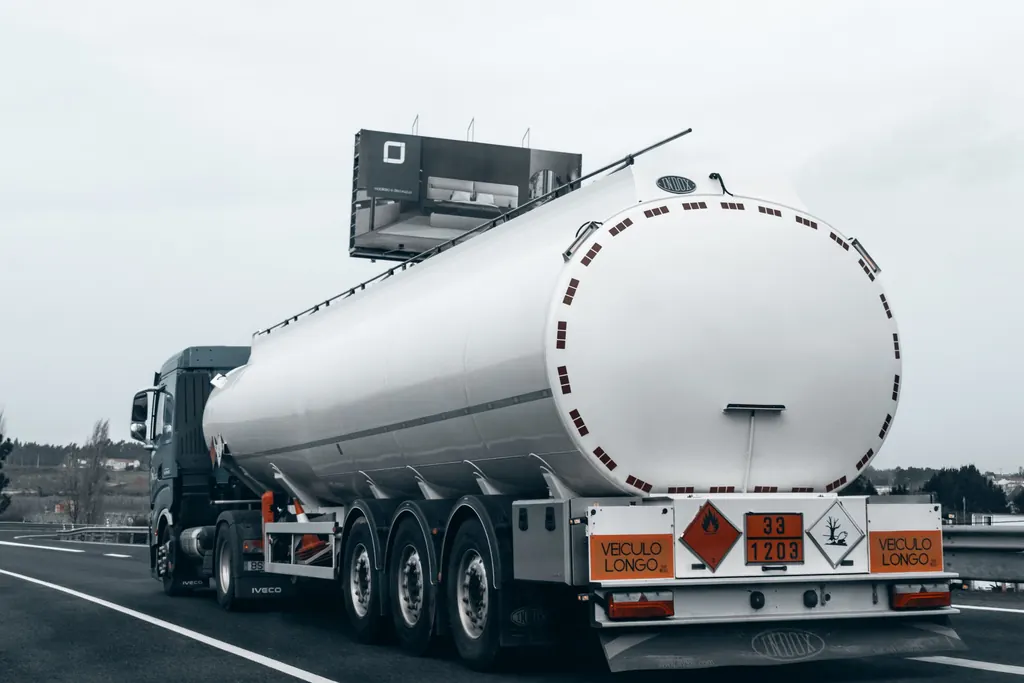
For estates, offices, hospitals, schools, hotels and industrial sites across Abuja, diesel is not a minor expense — it is what keeps the lights on, the water pumping and operations running. Buying it well means more than finding a supplier. This guide explains how to estimate demand, verify quantity and quality at delivery, receive fuel safely and choose a dependable supplier.
Why bulk diesel planning matters
Organisations that run generators daily often buy diesel reactively — ordering only when tanks are nearly empty. This leaves them exposed to price spikes, supply shortages and the cost of downtime if fuel runs out. Planned bulk supply turns diesel from a recurring emergency into a managed operating cost.
Step 1: Understand your consumption
Good planning starts with knowing how much diesel you actually use. Generator fuel consumption depends mainly on the generator's size and the load it carries; a generator running near full load uses considerably more fuel per hour than the same machine lightly loaded.
The most reliable approach is to keep a simple log for each generator:
- daily run-hours (from the hour meter);
- tank levels before and after each day or each refill; and
- the quantity delivered at each refill.
After a few weeks, you can calculate average litres per run-hour and average daily consumption. Generator manufacturers' fuel consumption charts provide a useful cross-check.
If your logs show a generator uses an average of 12 litres per run-hour and runs 10 hours a day, daily consumption is about 120 litres, or roughly 840 litres per week. With a usable tank capacity of 2,000 litres and a safety reserve of 500 litres, you would plan a delivery roughly every 12 days. Your own figures will differ; use your logs.
Step 2: Get your storage right
Your storage capacity determines how much you can buy at once and how often you need deliveries. Before ordering:
- Know your usable capacity. Tanks should never be filled to the brim; leave free space (ullage) for expansion.
- Keep tanks in good condition. Check for leaks, corrosion and damaged fittings.
- Prevent water contamination. Water is one of the most common diesel contaminants. Keep fill points sealed, and periodically drain water and sediment from the tank bottom.
- Secure the tank. Lockable fill points and controlled access reduce the risk of theft and tampering.
Step 3: Check quality at delivery
Poor-quality or contaminated diesel can damage injectors and fuel systems, causing expensive generator failures. Simple checks at delivery help:
- Appearance: diesel should look clear and bright, without cloudiness, visible water or sediment. Draw a sample into a clean glass jar to check.
- Documentation: ask your supplier about the product's source and for delivery documentation for each consignment.
- Retain a sample: keeping a labelled sample from each delivery gives you evidence if a quality problem appears later.
Step 4: Verify quantity
Short delivery is a common concern in fuel supply. Protect yourself with a consistent receiving routine:
- Dip or gauge your tank and record the level before discharge begins.
- Check any seals on the delivery vehicle's compartments.
- Have an authorised representative witness the entire discharge.
- Dip or gauge the tank again after discharge and compare the difference with the quantity on the delivery note.
- Record the result and sign the delivery note only once you are satisfied, noting any discrepancy.
A calibration chart for your tank, converting dip readings to litres, makes this check far more accurate.
Step 5: Receive fuel safely
Diesel is less volatile than petrol, but it remains a hazardous product. Before every delivery:
- keep the delivery area clear and provide safe access and standing room for the delivery vehicle;
- prohibit smoking, open flames and hot work near the discharge point;
- have suitable fire extinguishers available nearby;
- keep absorbent material or a spill kit on hand; and
- make sure hoses and connections are sound and that someone monitors the fill point throughout to prevent overfilling.
Step 6: Schedule supply instead of reacting
Once you know your consumption and storage, agree a delivery schedule with your supplier. Scheduled supply avoids last-minute orders, gives the supplier time to plan, and helps you budget. Review the schedule when consumption changes — for example, during periods of poor grid supply or when new equipment is added.
Step 7: Choose a supplier carefully
When evaluating diesel suppliers, consider:
- Sourcing: where the product comes from and how quality is protected along the way.
- Regulatory standing: the downstream petroleum sector is regulated by the Nigerian Midstream and Downstream Petroleum Regulatory Authority (NMDPRA) under the Petroleum Industry Act 2021. Ask suppliers about the authorisations that apply to their operations.
- Reliability: their ability to deliver consistently, including during periods of tight supply.
- Transparency: clear quotations, accurate delivery documentation and willingness to have deliveries witnessed and measured.
- Safety: how they handle and deliver product, and how they manage incidents.
- Communication: a single point of contact and prompt notice of any delay.
Understanding diesel pricing
Diesel prices in Nigeria are market-driven and can change frequently, influenced by supply conditions, exchange rates and transport costs. Be cautious of fixed long-term prices that seem unrealistically low, and agree clearly how price changes will be handled in any supply arrangement — for example, quoting per order or per agreed period.
How SOLES can help
Our Oil & Gas division provides AGO diesel supply in Abuja for estates, offices, hospitals, schools and industrial sites — bulk and scheduled deliveries, sourced from reputable depots, with quantities confirmed and documented at delivery. For property owners, our property management service can also coordinate generator fuel as part of facility oversight.
Our team in Abuja can help you apply this guidance to your own situation. Send us an enquiry, call +234 703 672 9285 or message us on WhatsApp (opens in a new tab).
This article provides general information for guidance only and does not constitute legal, financial, tax or regulatory advice. Requirements, fees and procedures can change; always confirm current rules with the relevant authority and a qualified professional before acting.